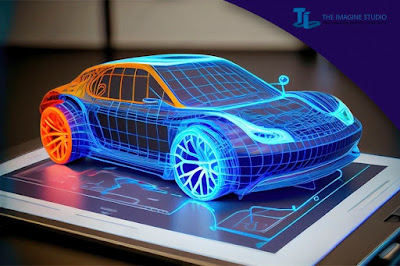
Transforming Experiences with Virtual Reality Technology

 Virtual Reality (VR) technology is revolutionizing how we experience the world, offering immersive environments that blur the lines between the physical and digital. By simulating realistic settings through computer-generated imagery, VR enables users to interact with a three-dimensional world in ways previously unimaginable. From entertainment to education and healthcare, VR is reshaping numerous sectors and redefining how we engage with information and experiences.

In the entertainment industry, VR has created a new dimension of gaming and storytelling. Players are no longer just observers but active participants within the game world. VR headsets and motion sensors allow for complete immersion, enabling users to explore virtual environments with lifelike presence. Similarly, virtual reality films and experiences allow viewers to step into the scenes, experiencing narratives from a first-person perspective, making storytelling more engaging and emotional.


Education is another field significantly impacted by VR. Classrooms are being transformed with interactive simulations and virtual field trips. Students can explore ancient civilizations, perform virtual science experiments, or walk through complex biological systems, enhancing their understanding and retention. This hands-on learning approach bridges the gap between theory and practice, fostering deeper engagement and curiosity.

In healthcare, VR is being used for both training and treatment. Medical students and professionals use virtual simulations to practice surgeries and diagnostic procedures in a risk-free environment. Patients benefit from VR in pain management, mental health therapy, and physical rehabilitation. For example, exposure therapy for phobias and PTSD is made more effective with controlled VR environments that help patients gradually confront their fears.

Furthermore, VR is gaining ground in architecture, real estate, and even remote collaboration. Architects can walk clients through digital models of buildings before construction begins, while real estate agents offer virtual property tours. In the post-pandemic world, VR also facilitates remote meetings and social interactions, creating shared virtual spaces that replicate real-world dynamics.

As VR technology becomes more accessible and affordable, its transformative potential continues to grow. Despite challenges such as motion sickness and the need for high-end hardware, ongoing advancements are addressing these issues, making VR more user-friendly and widespread.

In conclusion, virtual reality is not just a technological trend but a powerful tool reshaping how we learn, heal, work, and play. As it continues to evolve, VR promises to further bridge distances, enhance experiences, and unlock new possibilities across all facets of li

Comments

Popular posts from this blog

IIoT Development in the USA

Tailored iOS App Development Solutions

Elevate Your Visuals with 3D Rendering Services